The Masai Mara National Reserve offers exceptional wildlife viewing year-round, but the best time to visit depends entirely on what you want to see. The reserve's location in the Great Rift Valley creates distinct wet and dry seasons that dramatically influence animal behavior and concentration. Understanding these seasonal patterns is key to planning your dream safari.
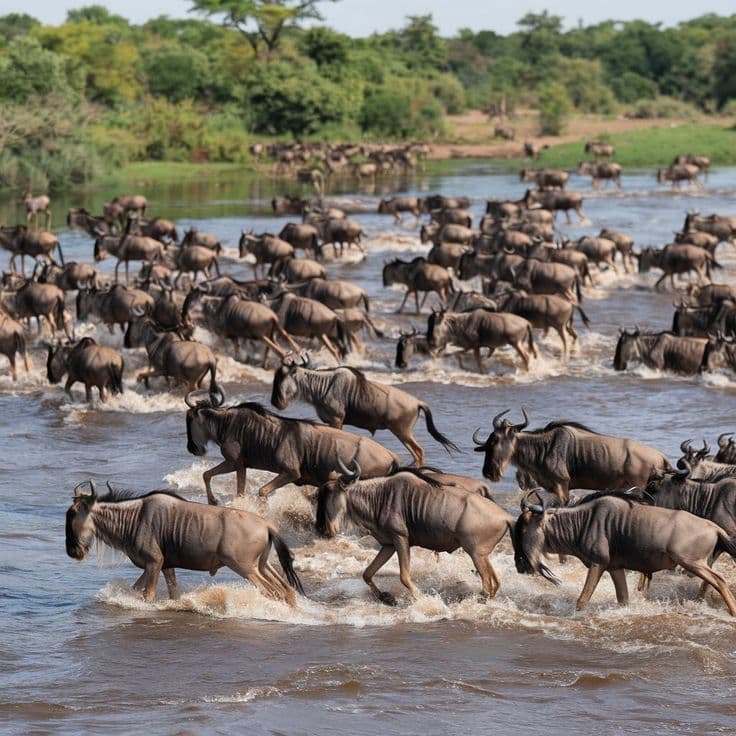
The Great Migration reaches the Mara between July and October, when over 1.5 million wildebeest and 200,000 zebras cross the Mara River in search of fresh grazing. This is the peak tourist season, offering the most dramatic wildlife spectacles but also the highest prices and largest crowds. The river crossings, while unpredictable, are among nature's most thrilling events.
For photographers, the dry season from June to October provides excellent visibility and animals concentrated around water sources. January and February offer the calving season, with abundant predator action as lions and cheetahs target vulnerable newborns. The green season (November-May) brings lower rates, fewer tourists, and stunning landscapes, though some roads may be impassable after heavy rains.
David Ole Tipis
Travel Specialist at Ready Set Go Safaris