
Loading your adventure...
Loading your adventure...
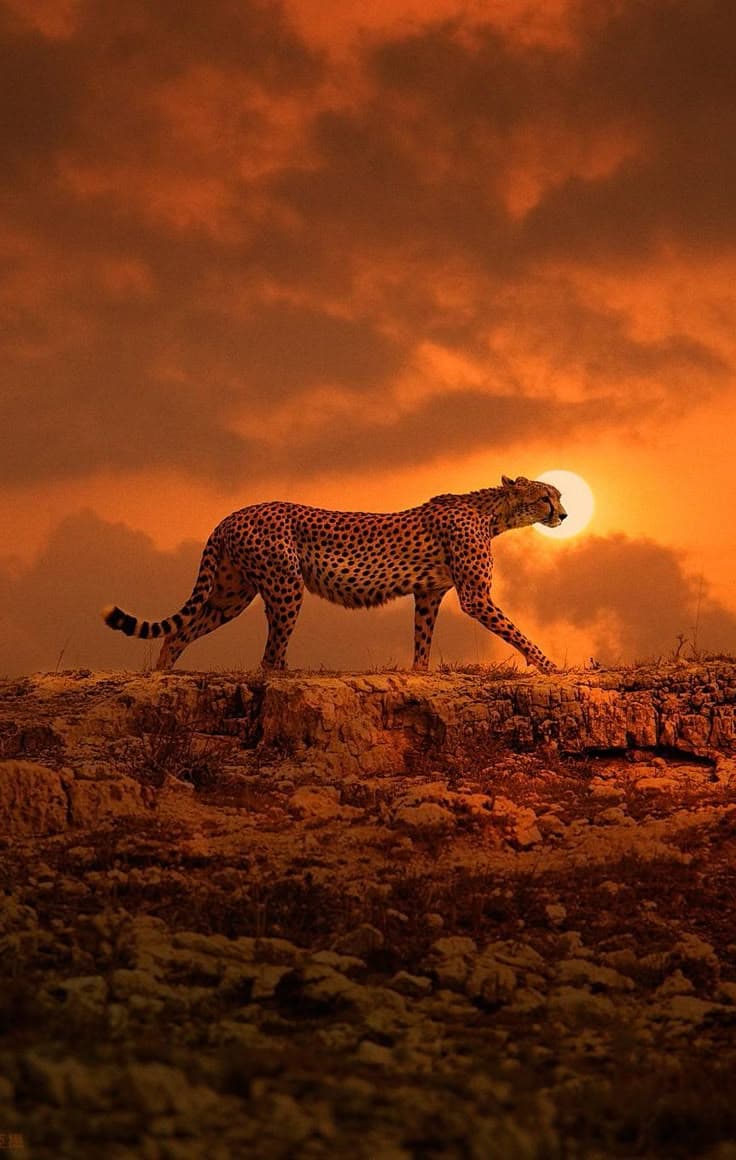
Stand on the rim of the Ngorongoro Crater, watch wildebeest cross the Mara River, and summit Africa's highest peak — Tanzania is the stuff of legends.
Tanzania is home to some of Africa's most iconic landscapes and wildlife spectacles. From the endless plains of the Serengeti to the lush forests of Kilimanjaro, every corner of this vast country offers a new adventure. Our expert guides will lead you through Tanzania's finest parks, ensuring an authentic and transformative experience.
From the Serengeti to Zanzibar, Tanzania is a land of extraordinary contrasts.
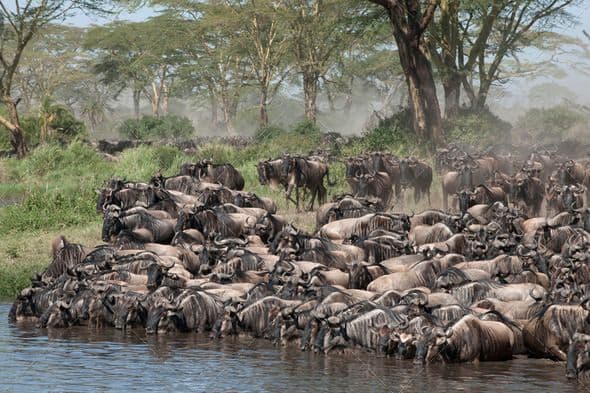
The Serengeti National Park is Tanzania's most famous wildlife destination, spanning 14,763 square kilometers of pristine savannah. The name means 'endless plains' in Maasai, and the landscape truly lives up to its name. The Serengeti is the stage for the Great Migration, the largest overland animal movement on Earth. Over 1.5 million wildebeest, 200,000 zebras, and numerous gazelles traverse the ecosystem in a circular route. The park is divided into regions: the Seronera Valley (excellent year-round game viewing), the Western Corridor (river crossings), and the Northern Serengeti (migration concentrations). The park also offers exceptional predator viewing with healthy populations of lions, cheetahs, leopards, and hyenas.
Best Time to Visit
June to October for migration; December-March for calving
The Ngorongoro Conservation Area is a UNESCO World Heritage Site centered around the world's largest intact volcanic caldera. The Ngorongoro Crater, formed 2-3 million years ago, spans 260 square kilometers with walls rising 600 meters. The crater floor hosts an extraordinary concentration of wildlife including the endangered black rhino, elephants, lions, hippos, and flamingos. The area is also home to the Maasai people, who live alongside wildlife in a unique multi-use landscape. Olduvai Gorge, within the conservation area, is one of the most important paleoanthropological sites in the world.
Best Time to Visit
June to September for crater floor; year-round available
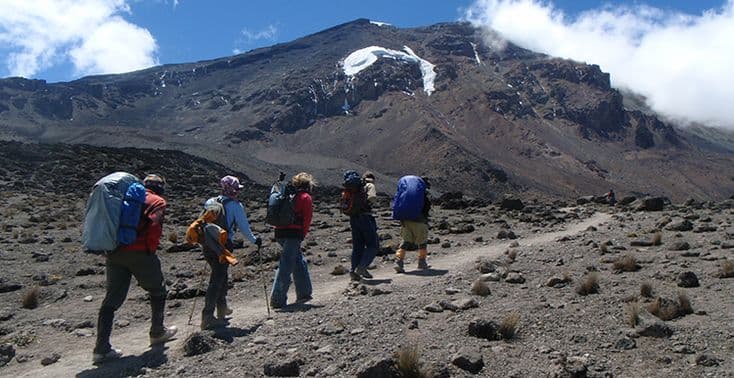
Mount Kilimanjaro National Park protects Africa's highest mountain and the world's tallest free-standing peak at 5,895 meters. The mountain rises from the plains of Tanzania through five distinct ecological zones: cultivated lower slopes, montane rainforest, heath and moorland, alpine desert, and the arctic summit. Climbing Kilimanjaro is a bucket-list adventure accessible to anyone with reasonable fitness and determination. The park offers multiple routes including Machame (the 'Whiskey Route'), Marangu (the 'Coca-Cola Route'), Lemosho, Rongai, and the Northern Circuit. Each route offers a different experience in terms of scenery, difficulty, and crowd levels.
Best Time to Visit
January-March and June-October
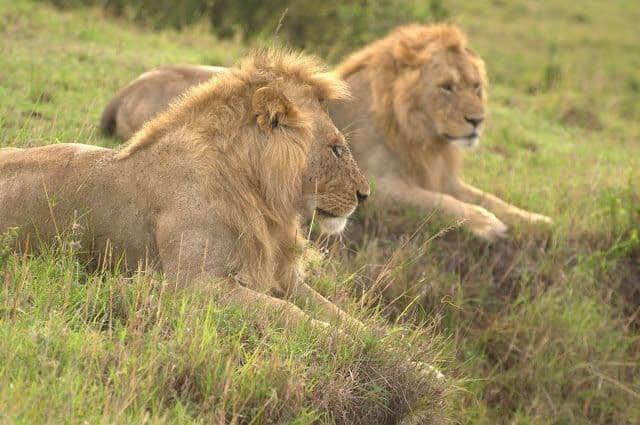
Tarangire National Park is a hidden gem of Tanzania's northern circuit, covering 2,850 square kilometers. The park is famous for its iconic baobab trees, which dot the landscape like ancient sentinels. During the dry season, the Tarangire River becomes the primary water source, attracting massive herds of elephants (the park has one of the highest elephant densities in Tanzania), zebras, wildebeests, and buffalo. The park is also known for tree-climbing pythons, abundant birdlife (over 550 species), and the Silale Swamp which attracts diverse water birds and wildlife.
Best Time to Visit
June to October (dry season)
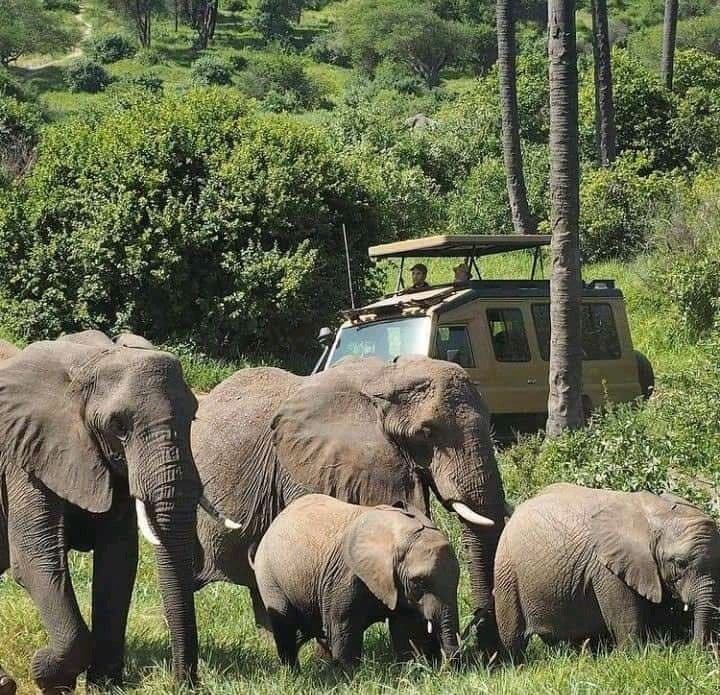
Lake Manyara National Park is a compact but diverse park at the base of the Great Rift Valley escarpment. The park's highlight is its soda lake, which attracts thousands of flamingos during certain seasons. Lake Manyara is world-famous for its tree-climbing lions, a unique behavior observed in this park's prides. The groundwater forest near the park entrance is home to troops of blue monkeys and abundant birdlife. The Rift Valley escarpment provides a dramatic backdrop and excellent viewpoints across the lake and onto the Maasai Steppe beyond.
Best Time to Visit
June to February (dry season and early wet)
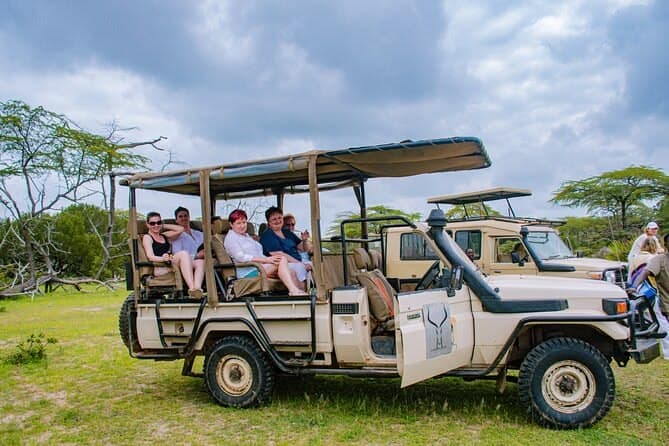
Selous Game Reserve, now part of the larger Nyerere National Park, is Africa's largest game reserve covering over 50,000 square kilometers. This UNESCO World Heritage Site offers a truly remote and wild safari experience with far fewer visitors than northern Tanzania parks. The Rufiji River, Tanzania's largest river system, flows through the reserve and is the lifeblood for its wildlife. Boat safaris along the Rufiji offer unique perspectives on hippos, crocodiles, and water birds. Walking safaris are a specialty here, led by armed rangers through pristine wilderness.
Best Time to Visit
June to October (dry season)
From the Serengeti to Zanzibar, let us craft your perfect Tanzanian adventure. Bespoke itineraries designed around your dreams.