
Loading your adventure...
Loading your adventure...
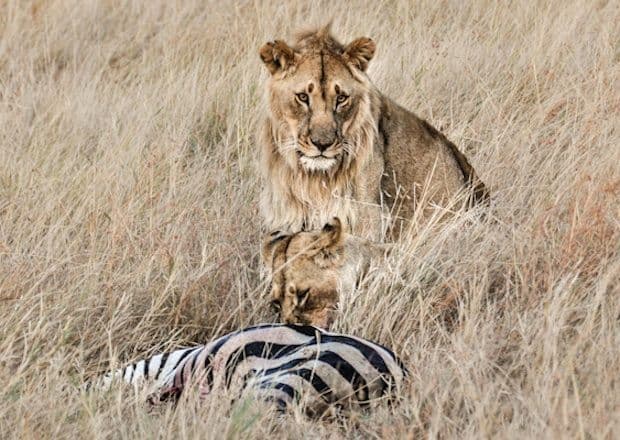
From the rolling savannahs of the Masai Mara to the elephant herds beneath Kilimanjaro — discover why Kenya is Africa's most celebrated safari destination.
Kenya offers an unparalleled safari experience, from the world-famous Great Migration in the Masai Mara to the majestic elephant herds of Amboseli set against the snow-capped peak of Mount Kilimanjaro. Our expertly guided tours take you into the heart of East Africa's most iconic landscapes, where every moment promises a new encounter with the wild.
Each destination offers a unique window into Kenya's extraordinary wildlife and landscapes.
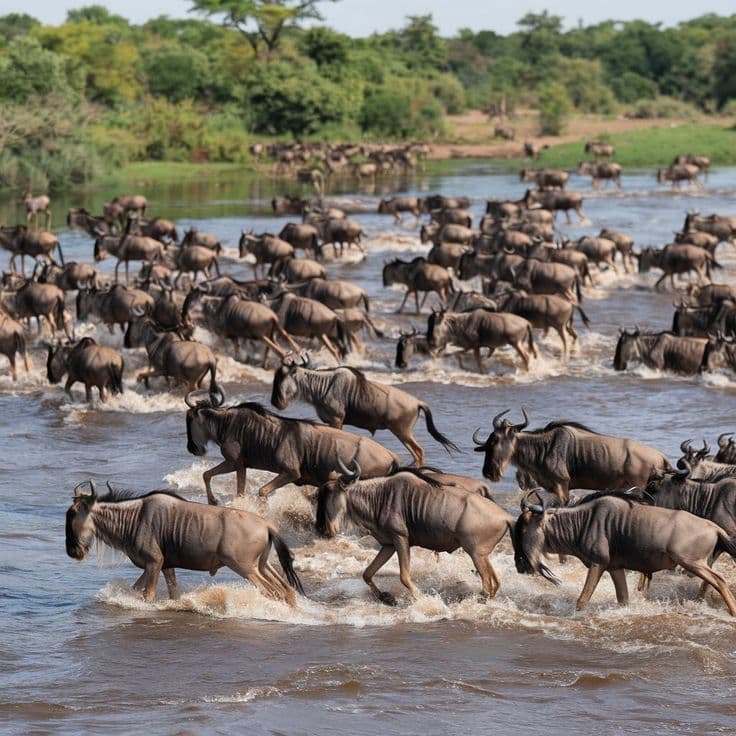
Spanning 1,510 square kilometers of rolling savannah, the Masai Mara is Kenya's most celebrated wildlife reserve. It forms the northern extension of the Serengeti ecosystem and is the stage for the Great Migration, where over 1.5 million wildebeest, 200,000 zebras, and thousands of gazelles make their annual circuit. The Mara hosts the highest concentration of predators in Africa, including lions, leopards, cheetahs, and hyenas. The Mara River, with its infamous crocodile-filled crossings, is the dramatic centerpiece of the migration. Beyond wildlife, the reserve offers hot air balloon safaris, Maasai cultural experiences, and stunning photographic opportunities at every turn.
Best Time to Visit
July to October for migration; January-February for calving season
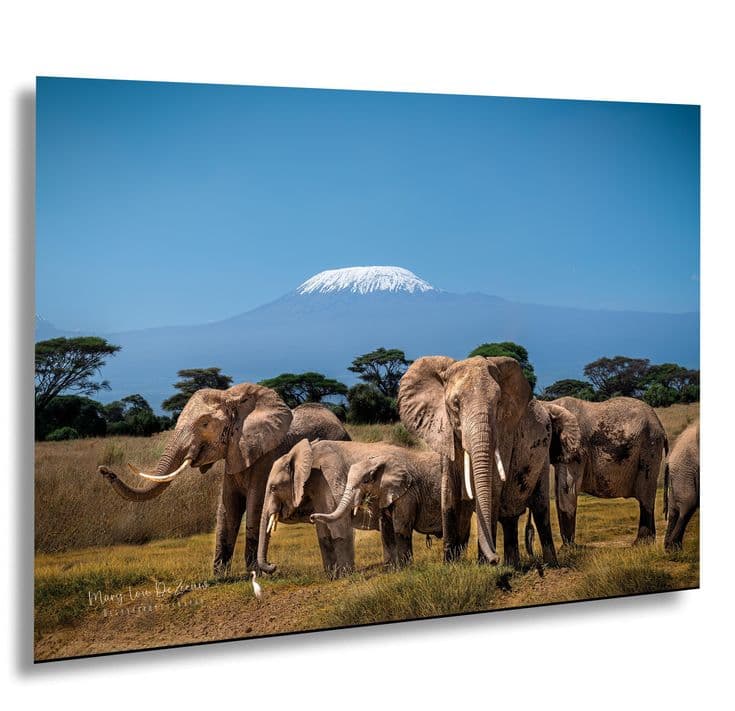
Amboseli National Park, covering 392 square kilometers, is famous for its large elephant herds and breathtaking views of Mount Kilimanjaro, Africa's highest peak. The park's ecosystem is dominated by swamps fed by meltwater from Kilimanjaro, creating a stark contrast between lush wetlands and dry plains. Amboseli offers some of the most iconic photographic opportunities in Africa, with elephants silhouetted against Kilimanjaro at sunrise. The park is also home to lions, cheetahs, giraffes, zebras, and over 400 bird species. Observation Hill provides panoramic views of the entire park and the mountain beyond.
Best Time to Visit
June to October and January to February
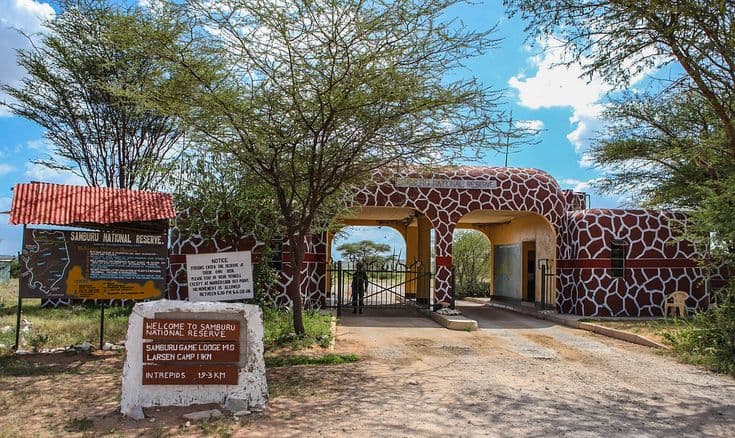
Samburu National Reserve is a rugged, semi-arid paradise in northern Kenya, known for rare wildlife species found nowhere else in the country. The Ewaso Ng'iro River cuts through the reserve, attracting abundant wildlife to its banks. Samburu is famous for the 'Samburu Special Five' - the Grevy's zebra, reticulated giraffe, Beisa oryx, Somali ostrich, and gerenuk. The reserve offers a more exclusive, less crowded safari experience with dramatic landscapes of acacia-dotted plains and rocky hillsides.
Best Time to Visit
June to October and January to March
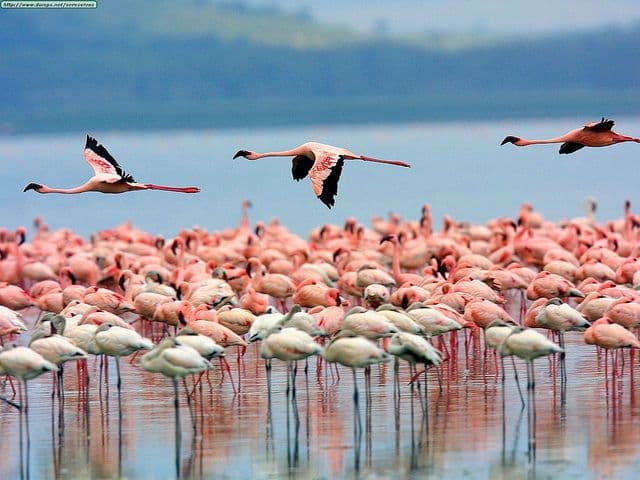
Lake Nakuru National Park is a world-famous soda lake park nestled in the Great Rift Valley. The lake's alkaline waters once hosted millions of flamingos, creating a spectacular pink shoreline. While water level changes have affected flamingo numbers, the park remains a vital rhino sanctuary, home to both black and white rhinos. The surrounding acacia woodlands and cliffs support lions, leopards, waterbucks, and over 450 bird species. Baboon Cliff offers stunning views over the lake and the park below.
Best Time to Visit
June to March, especially during dry season
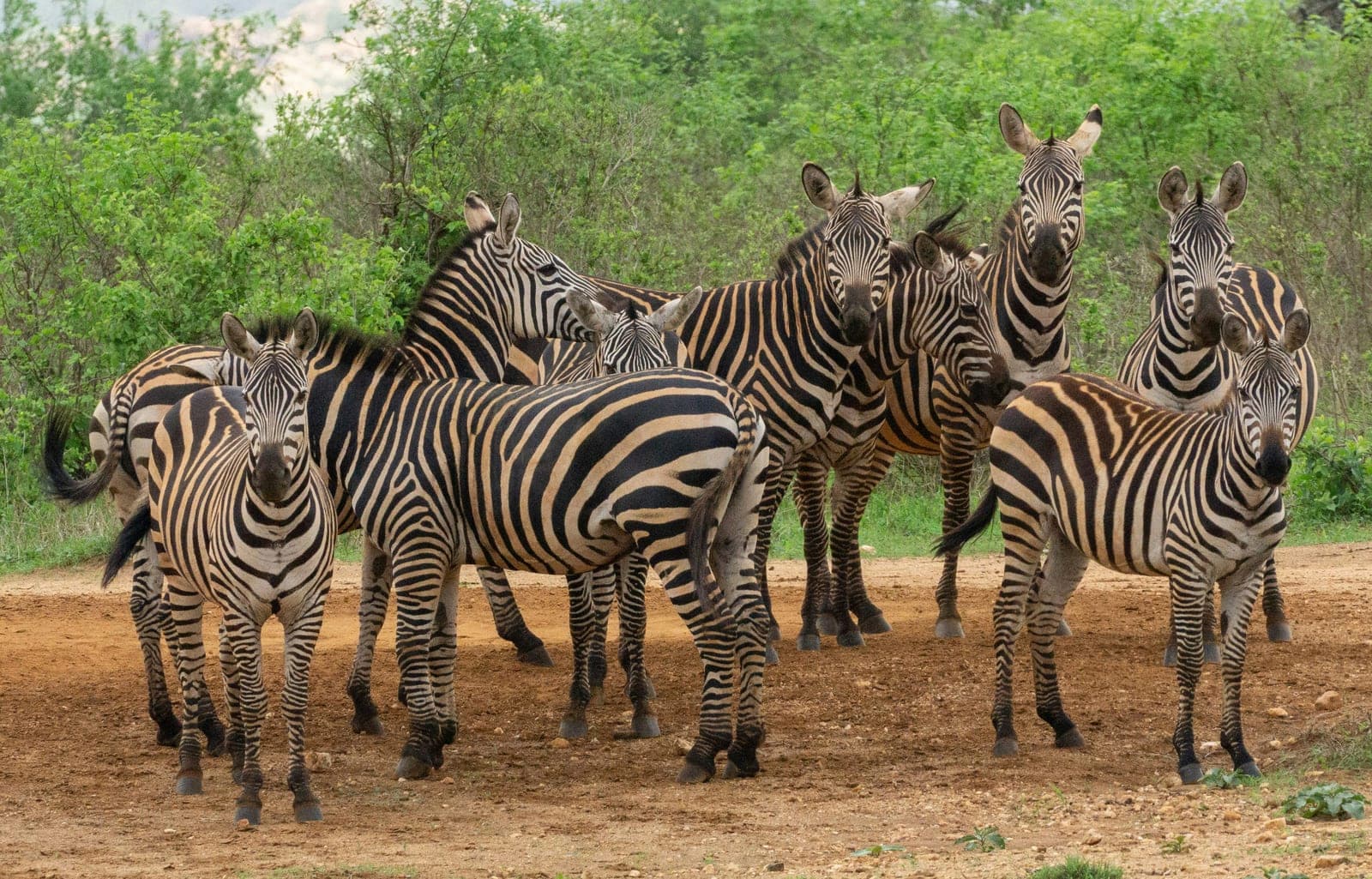
Tsavo National Park, split into Tsavo East and Tsavo West, is one of the world's largest game sanctuaries covering over 22,000 square kilometers. Tsavo East features vast open plains, red-dusted elephants, and the Galana River. Tsavo West offers diverse landscapes including volcanic lava flows, Mzima Springs with underwater hippo viewing, and the Chyulu Hills. The park is renowned for the legendary Tsavo man-eaters and stunning volcanic scenery.
Best Time to Visit
June to October for wildlife viewing

Laikipia is Kenya's most exciting conservation success story, a vast plateau of private and community-owned conservancies covering over 4,000 square kilometers. This region offers exclusive, low-impact tourism with unrivaled privacy. Laikipia is a stronghold for endangered species including the black rhino, Grevy's zebra, and African wild dog. Activities like horseback safaris, camel treks, walking safaris, and fly-camping provide immersive wilderness experiences unavailable in public parks.
Best Time to Visit
January to March and July to October
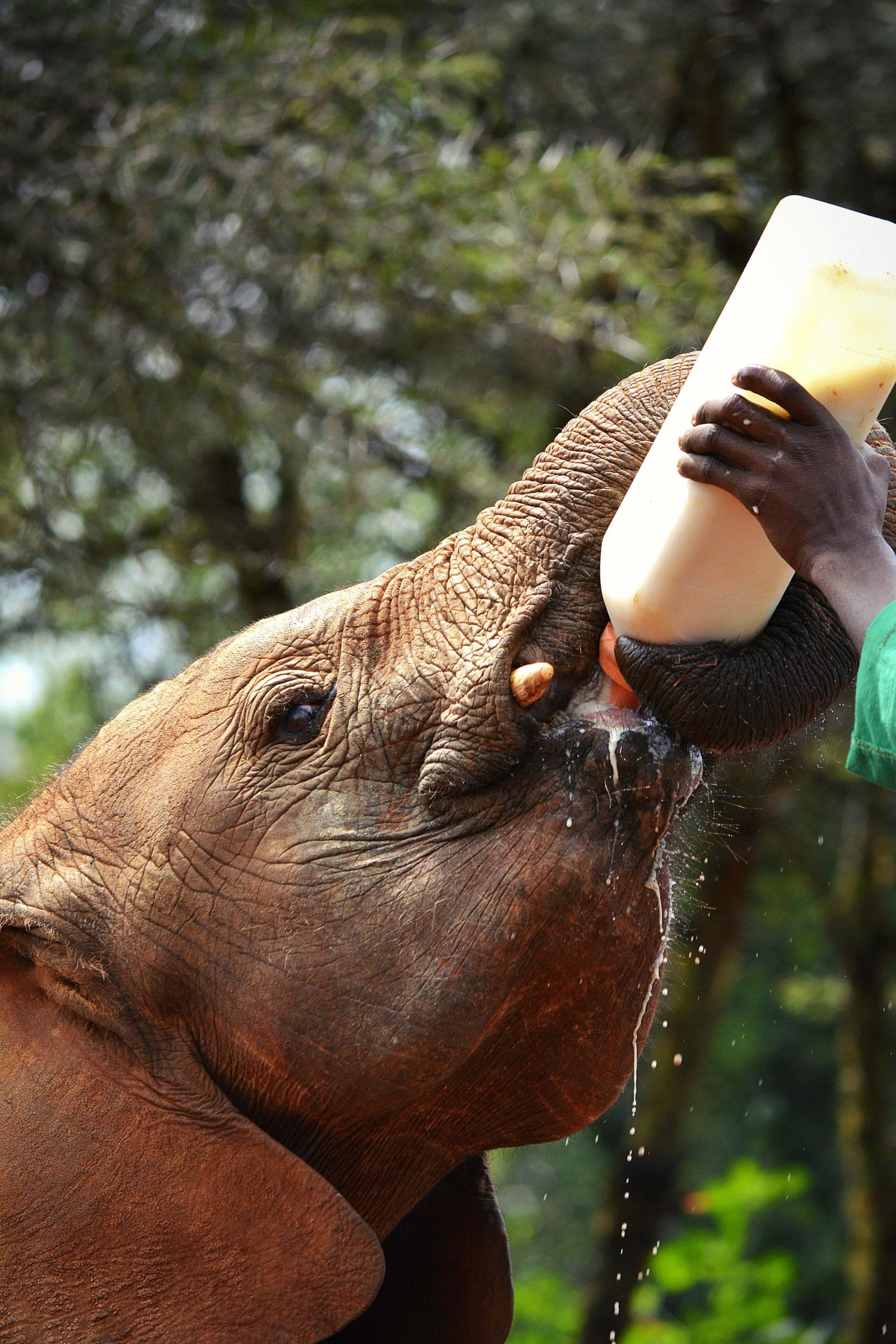
Nairobi National Park is a unique wildlife reserve located just 7 kilometers from Kenya's capital city center. The park's backdrop of the Nairobi skyline creates surreal photographic compositions. Despite its proximity to the city, the park hosts healthy populations of lions, rhinos, giraffes, zebras, cheetahs, and over 400 bird species. It's one of the best places in Kenya to see the endangered black rhino. The Nairobi Animal Orphanage and the Ivory Burning Site monument are located within the park.
Best Time to Visit
Year-round, with best wildlife viewing during dry season (June-October)
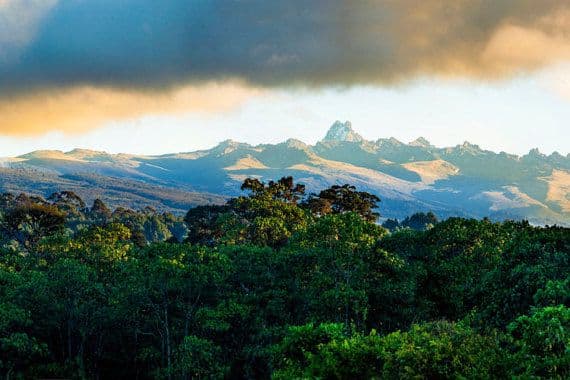
Mount Kenya, Africa's second-highest peak at 5,199 meters, is a UNESCO World Heritage Site surrounded by lush montane forests, bamboo zones, and alpine moorlands. The mountain is an ancient extinct volcano with dramatic glaciers, jagged peaks, and crystal-clear tarns. The surrounding foothills are home to wildlife including elephants, buffaloes, colobus monkeys, and diverse birdlife. Several routes lead to the summit, with Point Lenana (4,985m) being the most popular trekking destination.
Best Time to Visit
January-February and August-September
Let our expert consultants craft a bespoke Kenya safari tailored to your interests, budget, and travel dates. Every itinerary is unique.